Curling shingles, roof stains, hot upstairs rooms, and musty attic odors can appear to be isolated roofing problems. In many Northern Virginia homes, however, poor attic ventilation may be contributing to the issue.
Your attic and roof function as one system. When air cannot move properly, excess heat and moisture may accelerate wear on shingles, decking, insulation, and other roofing components.
Master Roofing & Siding has helped homeowners across Alexandria, Springfield, Burke, Lorton, and surrounding Northern Virginia communities understand roofing problems since 1974. The goal is simple: determine whether the roof is performing properly, needs repair, or is approaching replacement.
So, Can Attic Ventilation Affect Roof Lifespan?
Yes. Poor attic ventilation can shorten roof life by trapping heat and moisture beneath the roof deck. These conditions may accelerate shingle wear, stain or weaken decking, reduce insulation performance, rust fasteners, and create moisture symptoms that resemble roof leaks.
Ventilation is not the only factor that affects roof lifespan, but it should be reviewed when a roof shows early wear, recurring moisture problems, or uneven aging.
Why Roof Ventilation Matters in Northern Virginia
Northern Virginia homes experience hot summers, spring storms, winter cold snaps, and frequent temperature swings. Many properties also have mature trees, shaded roof sections, and older attic systems that may have been altered during insulation work, repairs, or previous roof replacements.
These conditions can affect asphalt shingle roofs, the most common roofing material in the area. Although shingles may be rated to last for decades, actual service life depends on installation quality, ventilation, maintenance, weather exposure, and how quickly problems are addressed.
If upstairs rooms remain hot, one roof slope ages faster than another, or ceiling stains return after repairs, the entire roof and attic system should be evaluated.
How Poor Attic Ventilation Can Damage a Roof
Shingles May Wear Out Sooner
Limited airflow can increase heat beneath the roof deck and shingles. Over time, that stress may contribute to curling, brittleness, cracking, and granule loss.
Roof Decking May Deteriorate
The roof deck provides the structural surface beneath the roofing materials. Prolonged heat or moisture can stain, weaken, or distort the wood.
Because shingles need a solid base, replacing damaged shingles may not solve the problem if the decking underneath has deteriorated.
Condensation Can Affect Insulation and Framing
Warm indoor air can enter the attic through gaps around recessed lights, attic access points, plumbing, wiring, and improperly vented bathroom fans. When humid air reaches colder attic surfaces, condensation may form.
Persistent moisture can dampen insulation, rust fasteners, stain decking, contribute to wood deterioration, and support microbial growth. These symptoms can resemble a roof leak even when condensation is partly responsible.
Indoor Comfort May Decline
During hot Northern Virginia summers, trapped attic heat can make upper floors uncomfortable, particularly in older homes or homes with limited insulation.
Attic airflow should be reviewed alongside insulation and roof condition when upstairs rooms consistently feel warmer than the rest of the home.
Roof Aging May Become Uneven
Sun exposure, tree shade, drainage, debris, and attic conditions all affect how a roof wears. A shaded slope may stay damp longer, while poor airflow adds stress from below.
These combined conditions can cause one section of the roof to age faster than another.
Signs of Poor Attic Ventilation
Homeowners should not climb onto the roof to investigate ventilation concerns. Many warning signs are visible from inside the home or attic.
Possible signs include:
- Upstairs rooms that remain unusually hot
- Musty attic odors
- Damp, flattened, or discolored insulation
- Rust on exposed attic nails or fasteners
- Dark staining beneath the roof deck
- Curling, brittle, or cracked shingles
- Excess shingle granules in gutters
- Uneven aging between the roof slopes
- Moisture near bathroom fan areas
- Recurring ceiling stains
- Roof-edge ice problems during winter weather
These signs do not necessarily mean the roof needs to be replaced. They do indicate that the roof and attic system should be inspected before conditions worsen.
Poor Ventilation vs. a Roof Leak
Poor attic ventilation and roof leaks can produce similar symptoms. The pattern, timing, and location of the moisture often provide useful clues.
|
Concern |
Poor Attic Ventilation May Cause |
A Roof Leak May Cause |
|
Ceiling stains |
Light staining is tied to humidity or temperature changes |
Stains that spread after rain or storms |
|
Attic moisture |
Condensation, dampness, or musty odors across a broader area |
Wet areas near flashing, penetrations, or damaged roofing |
|
Shingle condition |
Curling, brittleness, or uneven aging |
Missing, cracked, or damaged shingles in a concentrated area |
|
Timing |
Gradual or seasonal symptoms |
Problems that appear after wind, rain, or tree damage |
|
Common source |
Blocked intake vents or poor intake and exhaust balance |
Damaged flashing, shingles, skylights, or roof penetrations |
A professional inspection is the most reliable way to determine whether the problem involves ventilation, water intrusion, or both.
How Attic Ventilation Works
A balanced system allows outside air to enter near the lower portion of the roof and exit near the peak.
Intake Ventilation
Intake ventilation commonly occurs through soffit vents. These openings allow fresh air to enter the attic.
Airflow may be restricted when soffit vents are blocked by insulation, paint, debris, or construction materials. Roof vents cannot work properly when intake air is limited.
Exhaust Ventilation
Exhaust vents allow warm, humid attic air to escape near the upper portion of the roof. Ridge vents are common, although other vent types may be used depending on the roof design.
Why Balance Matters
Adding more vents does not automatically improve airflow. A roof with too much exhaust and inadequate intake may still perform poorly.
The system works best when intake and exhaust are properly sized, balanced, and unobstructed.
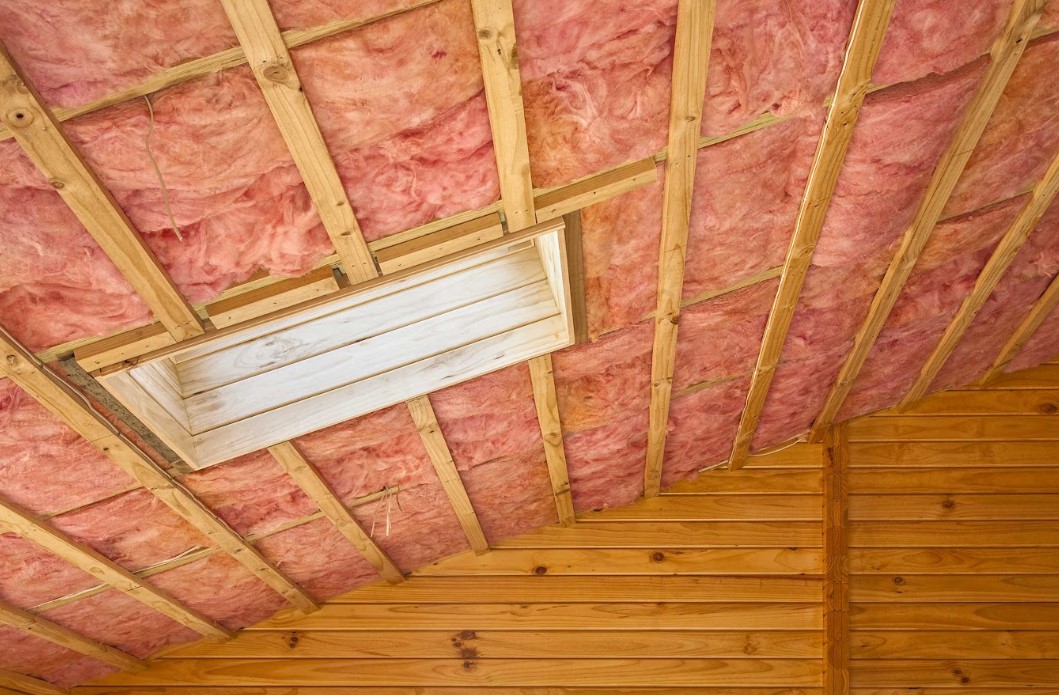
How Much Attic Ventilation Does a Roof Need?
Ventilation requirements depend on attic size, roof design, insulation, soffit layout, and vent placement.
A common minimum guideline is 1 square foot of net free ventilation area, or NFVA, for every 150 square feet of attic floor space. In some situations, the ratio may be reduced to 1 square foot per 300 square feet when intake and exhaust are properly balanced, and other conditions are met.
The important issue is not simply the number of vents. The attic needs enough usable vent area for its size, with air entering and exiting without obstruction.
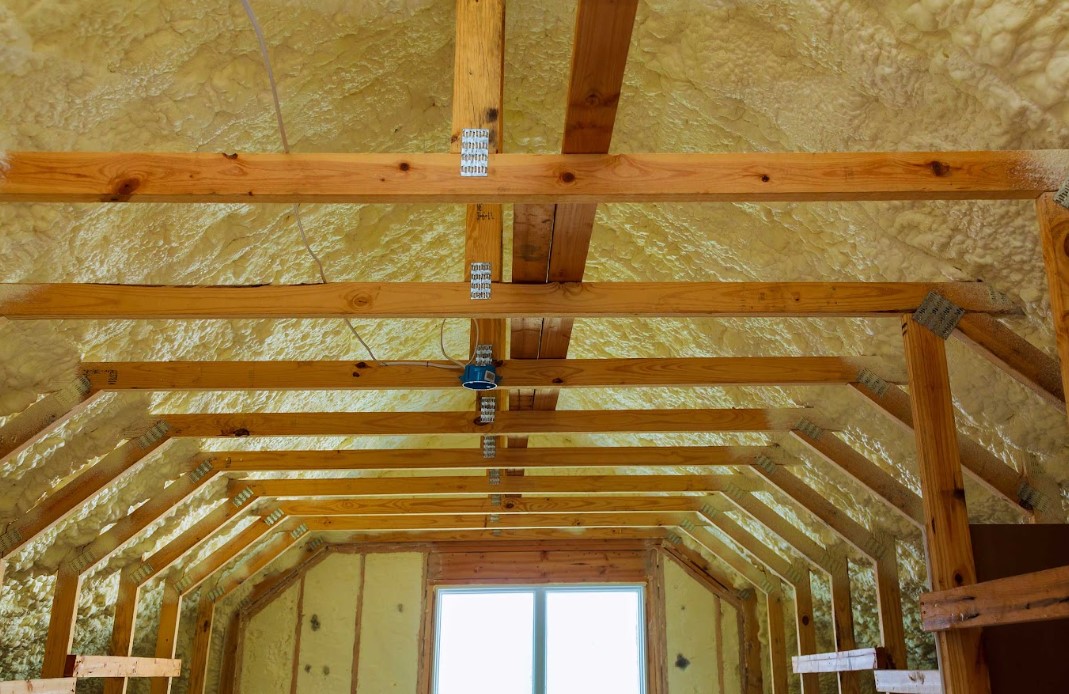
Common Attic Ventilation Mistakes
Ventilation problems are common in older homes and properties that have undergone multiple repairs, insulation upgrades, or roof replacements.
Frequent issues include:
- Blocked soffit vents: Insulation, debris, or paint restricts intake airflow.
- Too much exhaust and too little intake: Ridge vents or roof vents cannot operate effectively without incoming air.
- Conflicting vent types: Certain combinations can interrupt the intended airflow pattern.
- Bathroom fans venting into the attic: Moist indoor air is released directly into the attic instead of outdoors.
- Insulation covering airflow paths: Added insulation blocks soffit vents or ventilation channels.
- New shingles installed without correcting ventilation: Existing airflow problems remain beneath the replacement roof.
These conditions do not always require full roof replacement, but they should be addressed when they affect roof performance.
Ventilation, Insulation, and Air Sealing
These three components work together but serve different purposes.
Ventilation Moves Attic Air
Ventilation allows outside air to enter and exit the attic through soffit vents, ridge vents, or other approved roof vents.
Insulation Slows Heat Transfer
Insulation reduces heat movement between the living space and attic. It can improve comfort and energy efficiency, but it cannot replace ventilation. Improperly installed insulation may also block intake vents.
Air Sealing Limits Indoor Air Leakage
Air sealing closes gaps around light fixtures, attic access points, plumbing, wiring, and other penetrations where conditioned indoor air may enter the attic.
Master Roofing & Siding focuses on roofs and exterior systems. When ventilation, insulation, or air-sealing concerns appear to be affecting roof performance, our estimators can identify visible issues and explain how they may influence repair or replacement planning.
What We Commonly See in Northern Virginia Homes
After decades of working throughout Alexandria, Springfield, Burke, Lorton, and nearby communities, we regularly find small attic and roof details that have created larger problems over time.
Common examples include:
- Insulation added over soffit vents
- Ridge vents installed without adequate intake
- Shaded roof slopes that retain moisture and debris
- Repairs that addressed a damaged shingle but not the underlying flashing, decking, or ventilation issue
A roofing estimate should involve more than a glance from the driveway. When conditions allow, Master Roofing & Siding estimators physically access the roof to evaluate shingles, flashing, roof edges, penetrations, and other components.
Can Better Attic Ventilation Extend Roof Life?
It can help when the shingles are still in reasonable condition, and airflow problems are corrected early. Improving ventilation during roofing work may reduce future heat and moisture stress.
Ventilation cannot reverse extensive damage. If shingles are badly curled, brittle, leaking, losing granules, or failing across several slopes, correcting airflow alone will not restore the roof.
The appropriate solution depends on the roof’s condition. Isolated damage may require repair, while widespread wear, repeated leaks, or an aging roof may justify replacement.
What Master Roofing & Siding Reviews During an Estimate
The process begins with the homeowner’s concerns, including where the problem appears, when it started, and whether it followed a storm, repair, or gradual change.
A roofing estimate may include an evaluation of:
- Overall shingle condition
- Missing, lifted, curled, or cracked shingles
- Flashing around chimneys, walls, vents, and skylights
- Roof penetrations
- Gutters and drainage
- Visible decking concerns
- Wind or tree damage
- Ventilation issues affecting roof performance
- Whether repair or replacement is the better option
After the evaluation, Master Roofing & Siding provides a written estimate explaining the recommended work.